
Adolescent HOUSE
Adolescent Program
Overview of the Adolescent House
The Montessori Adolescent program supports the “humanistic mind” of twelve- to fifteen-year-olds during a period of profound physical and social transformation. At this stage, students move beyond simple intellectual acquisition to focus on self-construction, seeking to understand their identity and how they can contribute meaningfully to society.
While earlier years prioritize academic mastery, adolescence brings a heightened sensitivity to social justice, dignity, and belonging. Dr. Montessori viewed this as a vulnerable yet opportunistic time, requiring a “prepared community” that balances rigorous intellectual challenges with deep emotional support and real-world engagement.
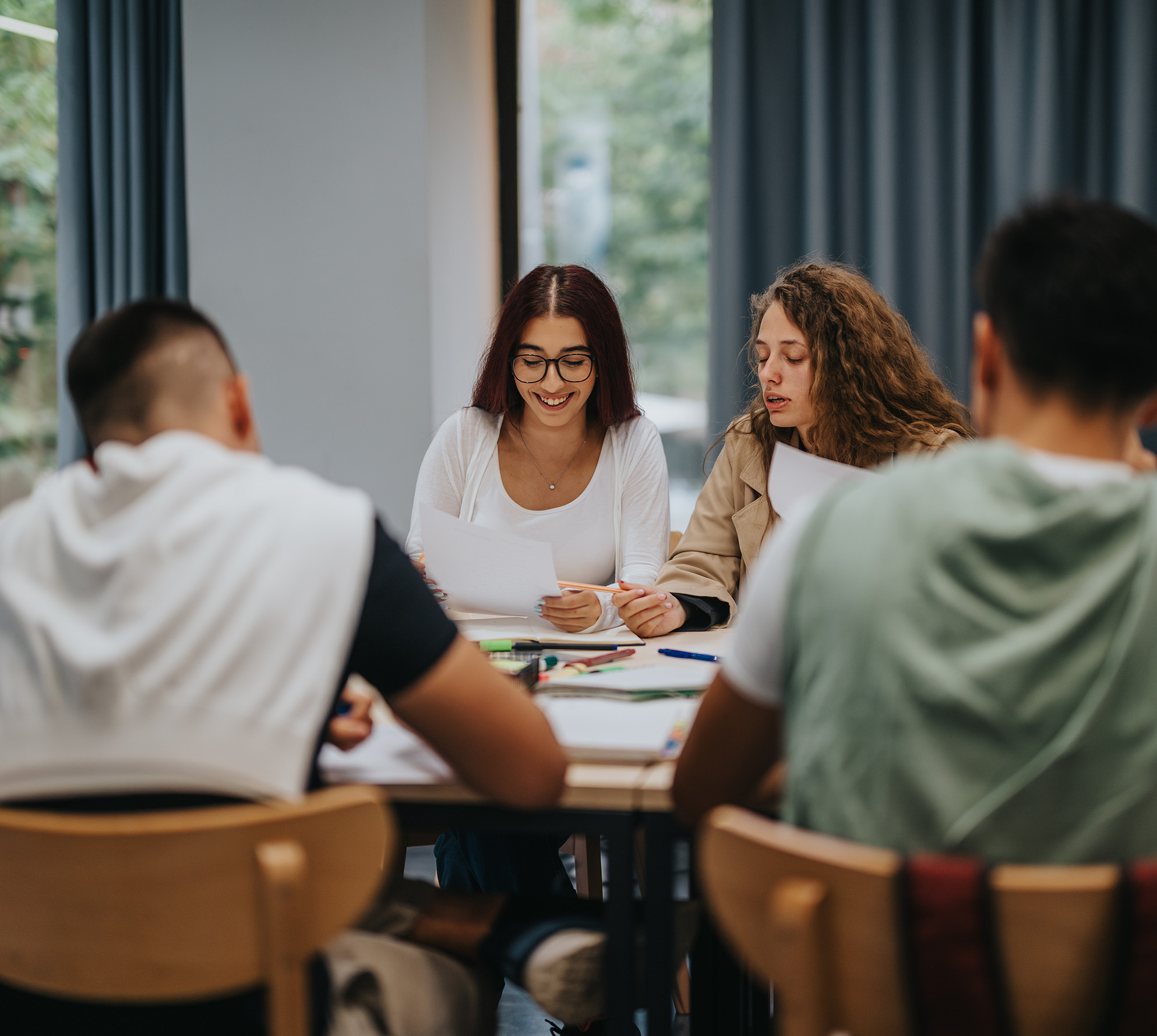
Under the guidance of trained educators, students participate in interdisciplinary studies and tangible responsibilities that integrate work with community life. This approach ensures that graduates are not only academically capable but also socially conscious, independent, and prepared to enter the world with a clear sense of purpose.
The AMI Environment & Structure
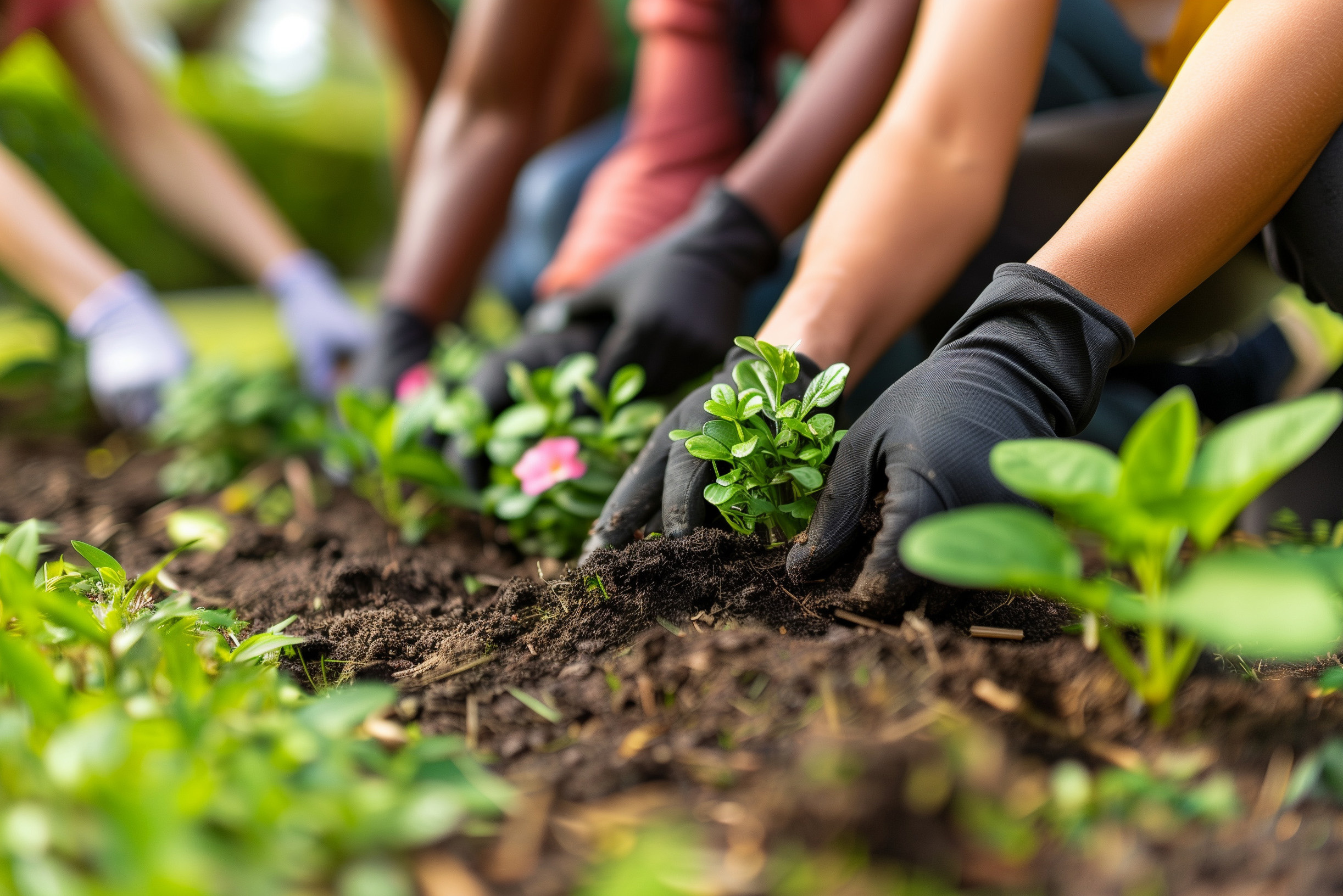
More than just a traditional classroom, the AMI Adolescent environment functions as a “prepared community” meticulously designed to harmonize academic study with practical, social experience. At its heart lies Dr. Montessori’s vision of the Erdkinder, or “children of the land,” where students engage in purposeful work tied to nature, micro-economies, and community stewardship to understand their role within a functioning society. By utilizing integrated academic blocks and collaborative, mixed-age groupings, the environment moves away from fragmented subjects to mirror the intersections of real life. This structure provides students with genuine responsibilities and guided freedom, fostering a socially cohesive community that builds lasting independence and self-worth through work that has a clear, tangible purpose.
The Adolescent Curriculum: “Learning to Contribute”
The Montessori Adolescent curriculum evolves the educational focus from “learning how to think” to “learning how to contribute,” bridging academic rigor with meaningful social participation. While students continue to deepen their mastery of mathematics, language, sciences, and the humanities, these subjects are taught through an interdisciplinary lens that connects abstract knowledge to real-life applications. By engaging in project-based learning, community service, and micro-economy experiences—such as production and exchange—adolescents explore complex questions regarding economics, society, and the natural world. This hands-on approach, rooted in reflection and moral reasoning, allows students to cultivate a strong sense of identity and the collaborative skills necessary for shared goals. Ultimately, this stage of development prepares students to emerge as capable, socially responsible young adults who are ready for both the intellectual challenges of high school and the broader responsibilities of adulthood.