
ELEMENTARY HOUSE
Elementary Program
Overview of the Elementary House
The Montessori Elementary environment is specifically designed to support the “reasoning mind” and expanding imagination of children aged six to twelve. In multi-age classrooms, students transition from the unconscious absorption of early childhood to a period of conscious logic and inquiry. This stage is characterized by a peak receptivity to intellectual learning and a physical stability that allows for increased stamina and adventurous exploration.
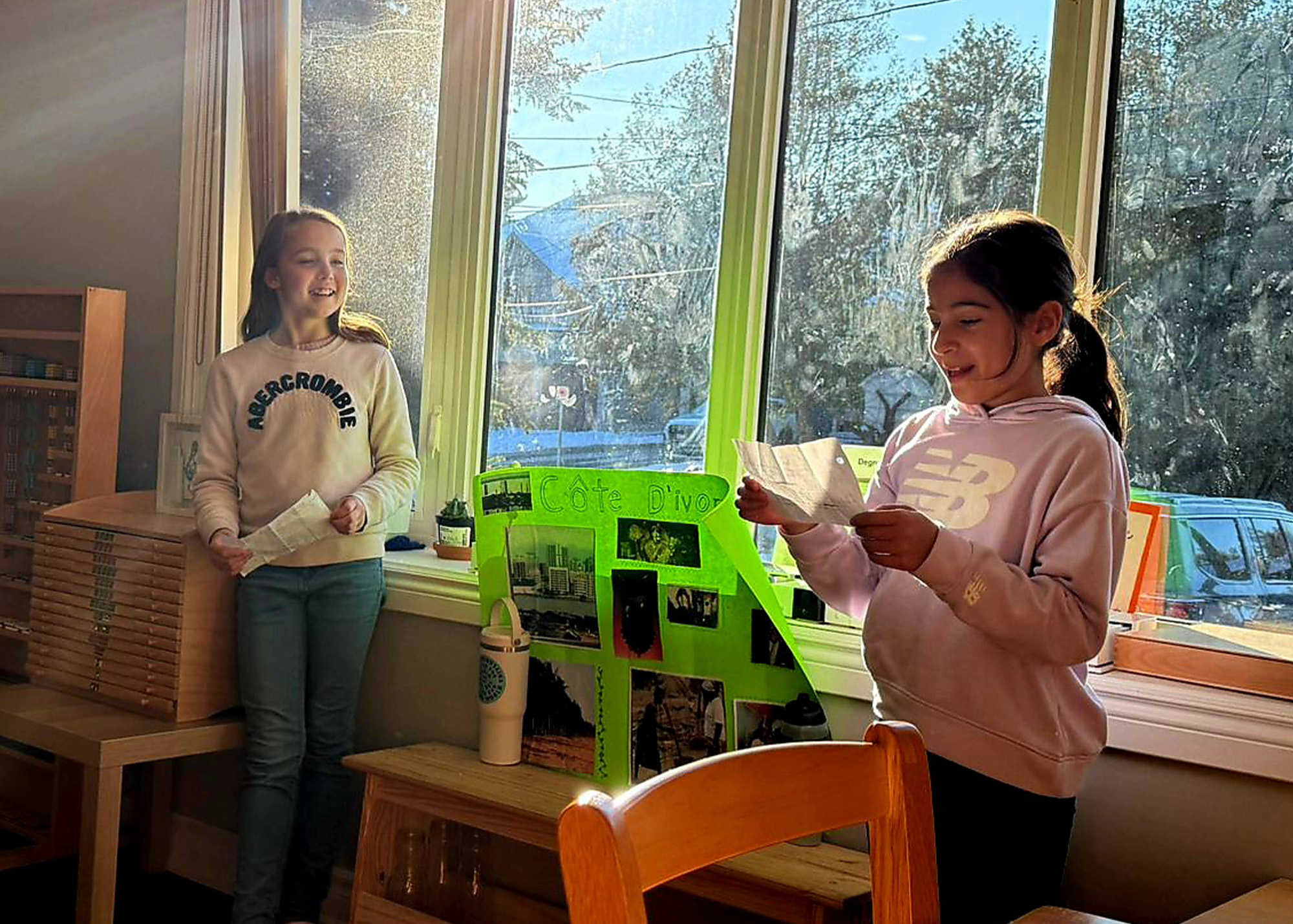
Guided by trained Montessori teachers, children engage in a research-style of learning, working in small groups to tackle diverse projects in geography, biology, history, language, and mathematics. This collaborative approach sparks the imagination and directs the child’s natural curiosity toward the “why” and “how” of the universe. To bridge the gap between the classroom and the world, students frequently visit community resources to ensure their education remains grounded in real-world application.
Socially, these years represent a significant shift toward peer connection and independence as children move beyond the family circle and develop a burgeoning interest in moral justice. By exploring all aspects of culture and society, the Elementary program empowers children to develop the problem-solving skills necessary to make their own meaningful contributions to the world.
The AMI Environment & Structure
The Elementary Curriculum: “Learning How to Think”
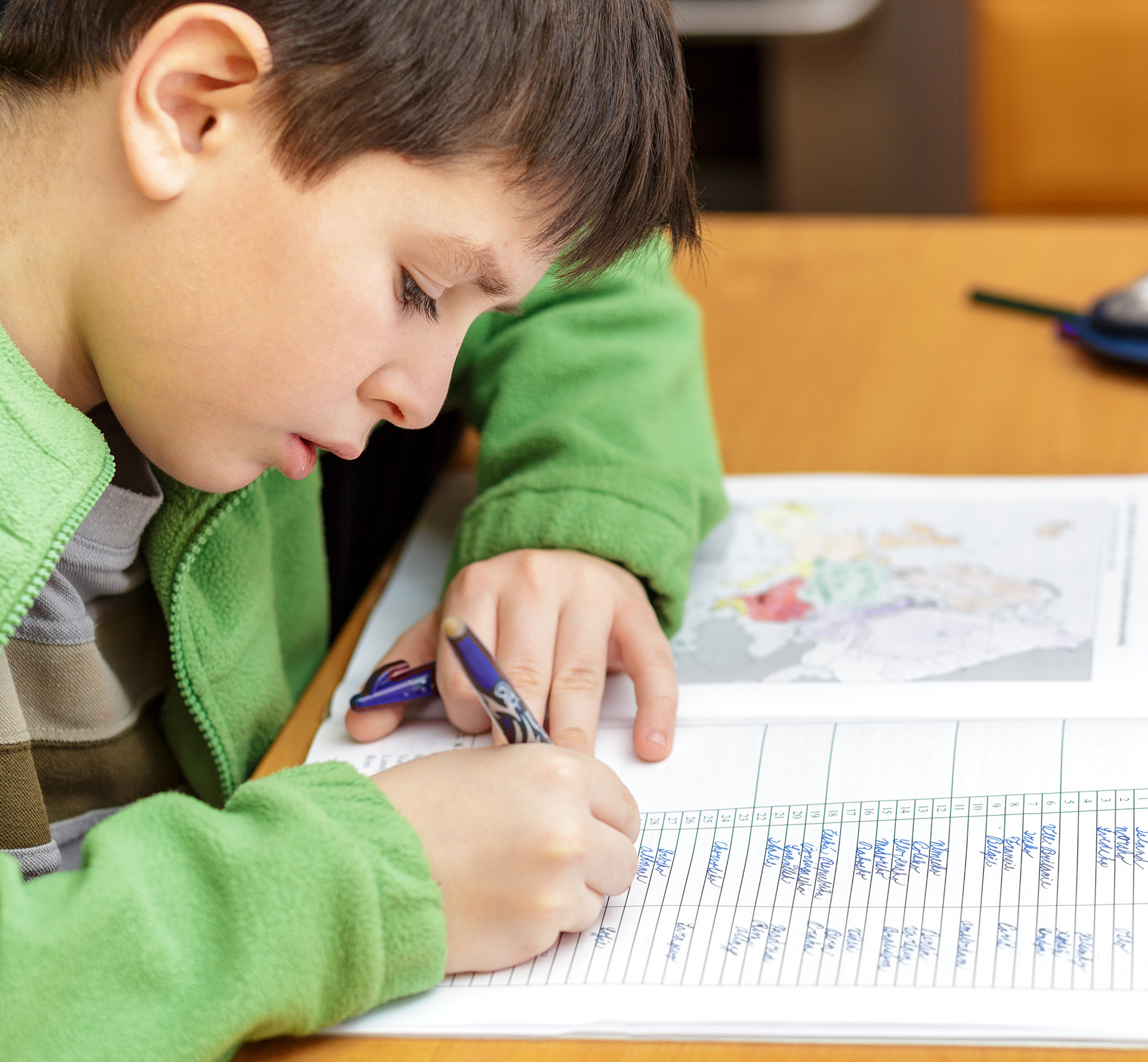
The Elementary program nurtures the imagination and reasoning mind, offering a curriculum limited only by the child’s curiosity. Learning begins with the “Great Lessons,” sweeping stories about the universe, life, and human history that spark interest in science, culture, and more. Students then pursue open-ended, research-based work—one lesson may inspire map making, while another leads to building a model—helping them learn how to learn rather than simply memorizing facts. When classroom resources are no longer enough, children plan their own “Going Out” trips to libraries, museums, or local experts, building real-world independence and responsibility. By age 12, students are adaptable, confident, academically strong, and ready for a smooth transition into high school and beyond.