ABOUT US
Our History
The Fairport Montessori Academy Story
Fairport Montessori Academy is a private school that is grounded in the authentic Montessori philosophy of enriching young children 18 months to 12 years of age and giving them the best possible head start in life. We provide state-of-the-art, full-time and activity-based child care services and programs for children before, during and after school hours.
Fairport Montessori Academy is the only school in Whitby and the Durham Region that is quality assured by Dr. Maria Montessori’s international association (Association Montessori Internationale, or AMI for short). It is the ninth AMI-affiliated Montessori school to open in the province of Ontario.
The Gold Standard in
Montessori Education
CuRRICULUM
Our AMI Montessori Curriculum
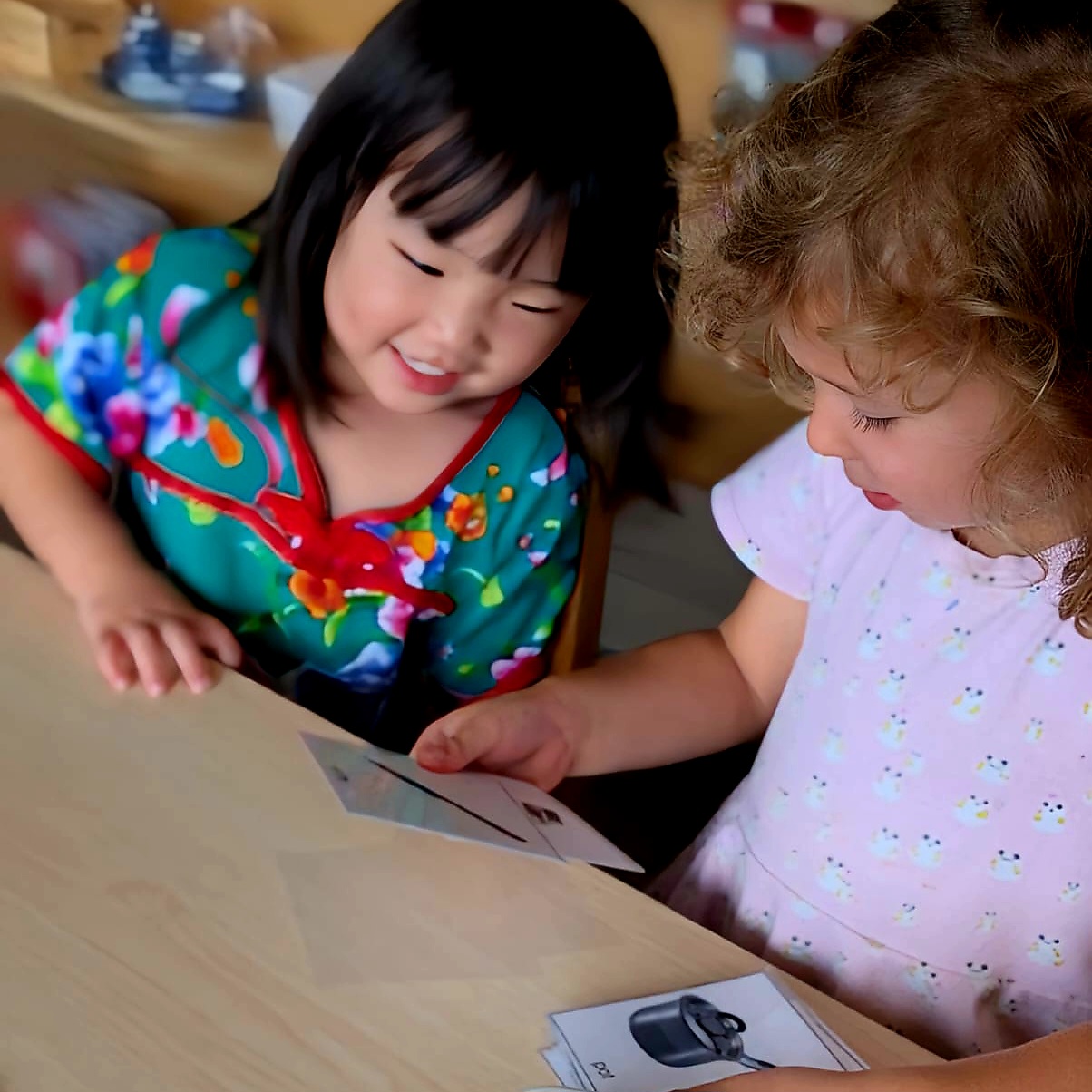
Language Development
For over a century, Montessori activities have proven effective as a system for teaching synthetic phonics.
Mathematics
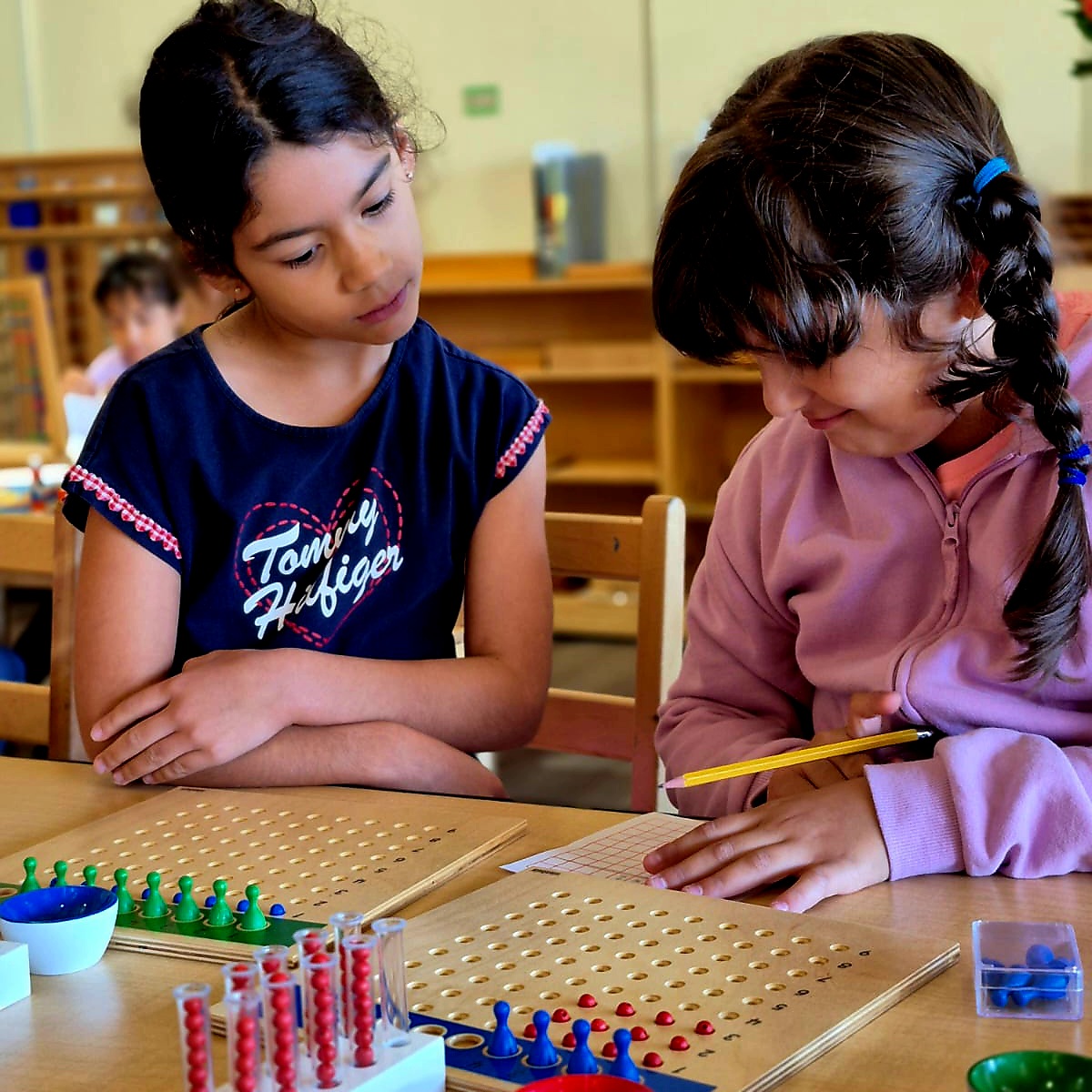
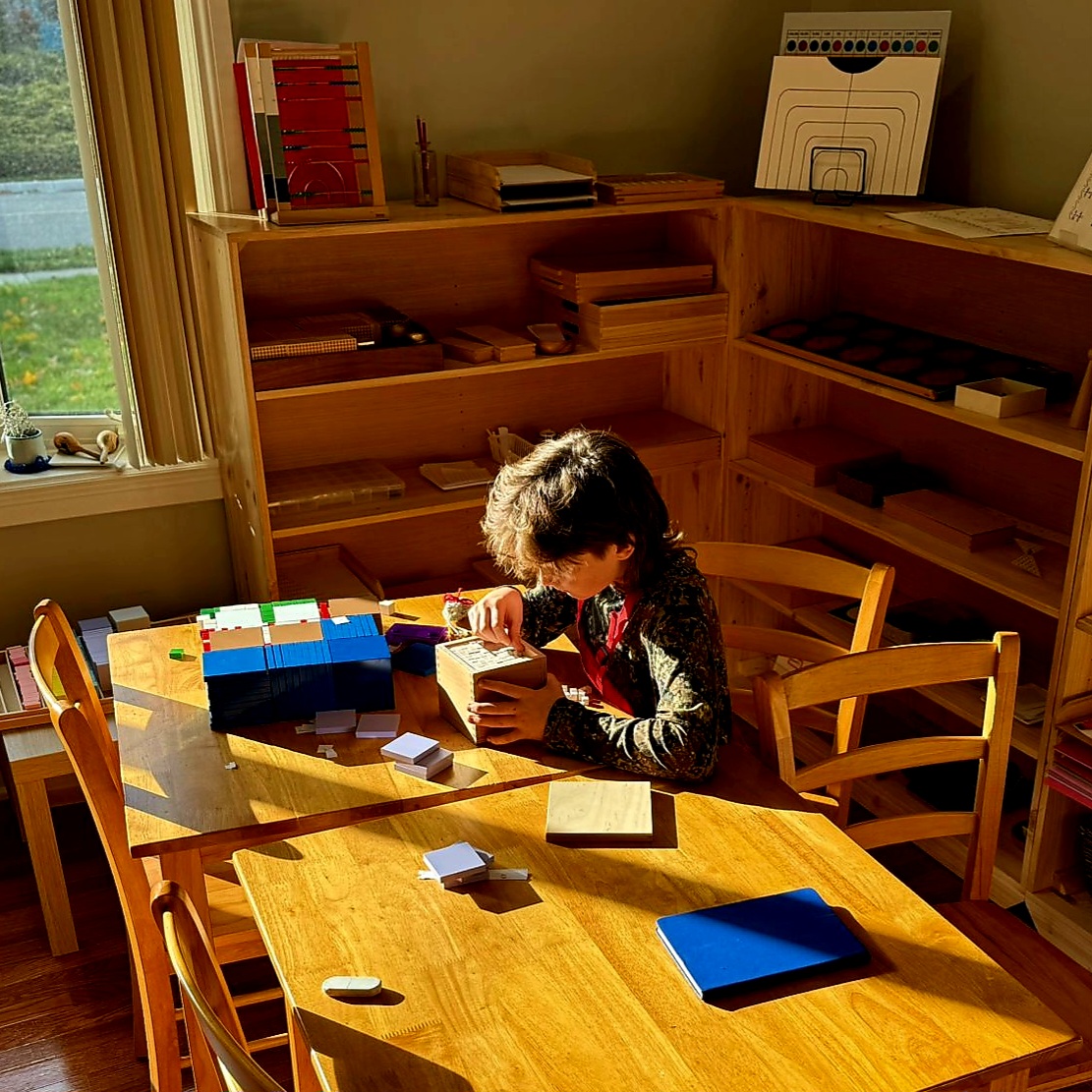
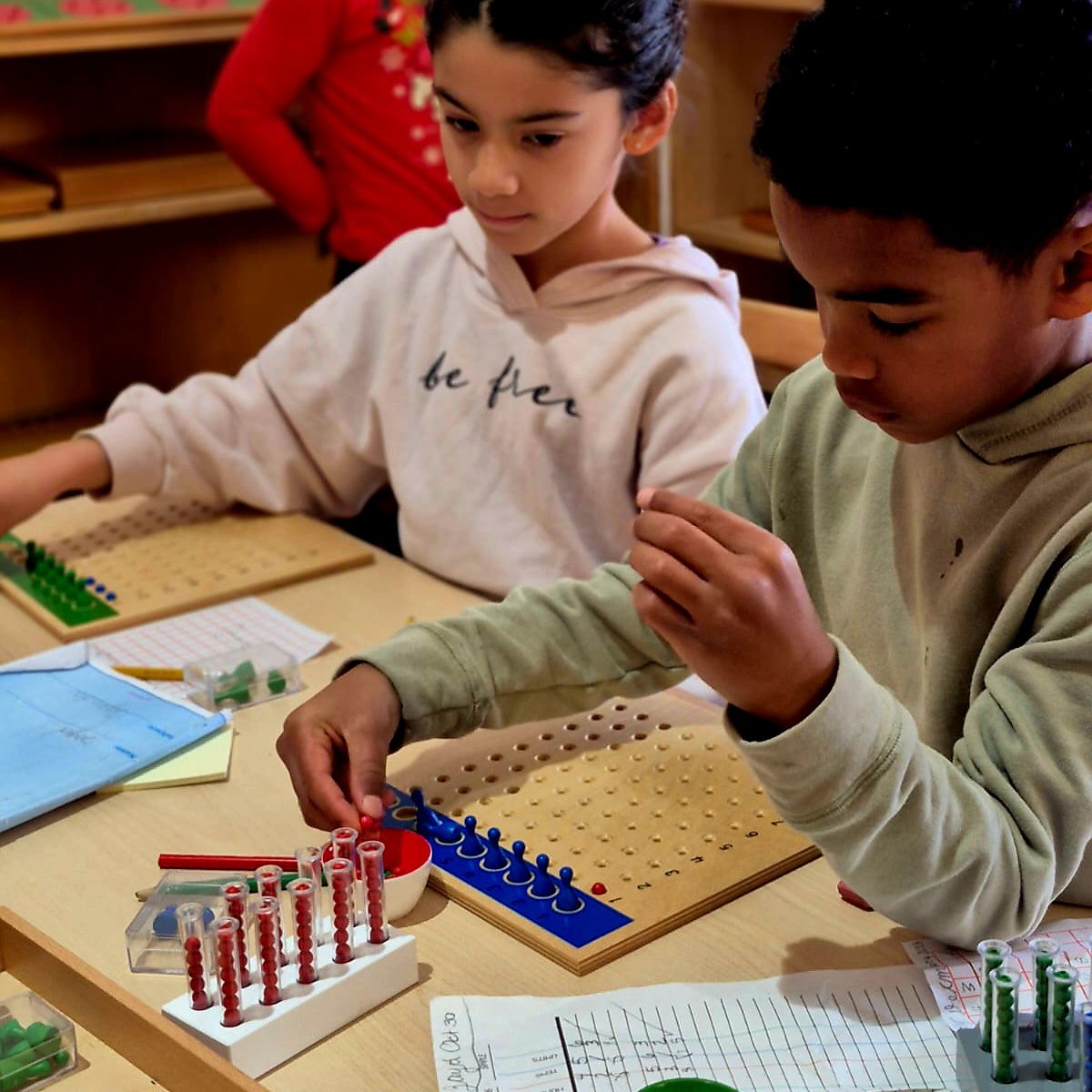
In our prepared environment, we gently nurture the child’s natural ability to count and calculate.
Fine Arts
We firmly believe the arts are fundamental to a complete and inspiring educational experience.
Culture
Through our sensory-based cultural materials, every child explores and connects with the diverse plants, animals, and people from all over the world.
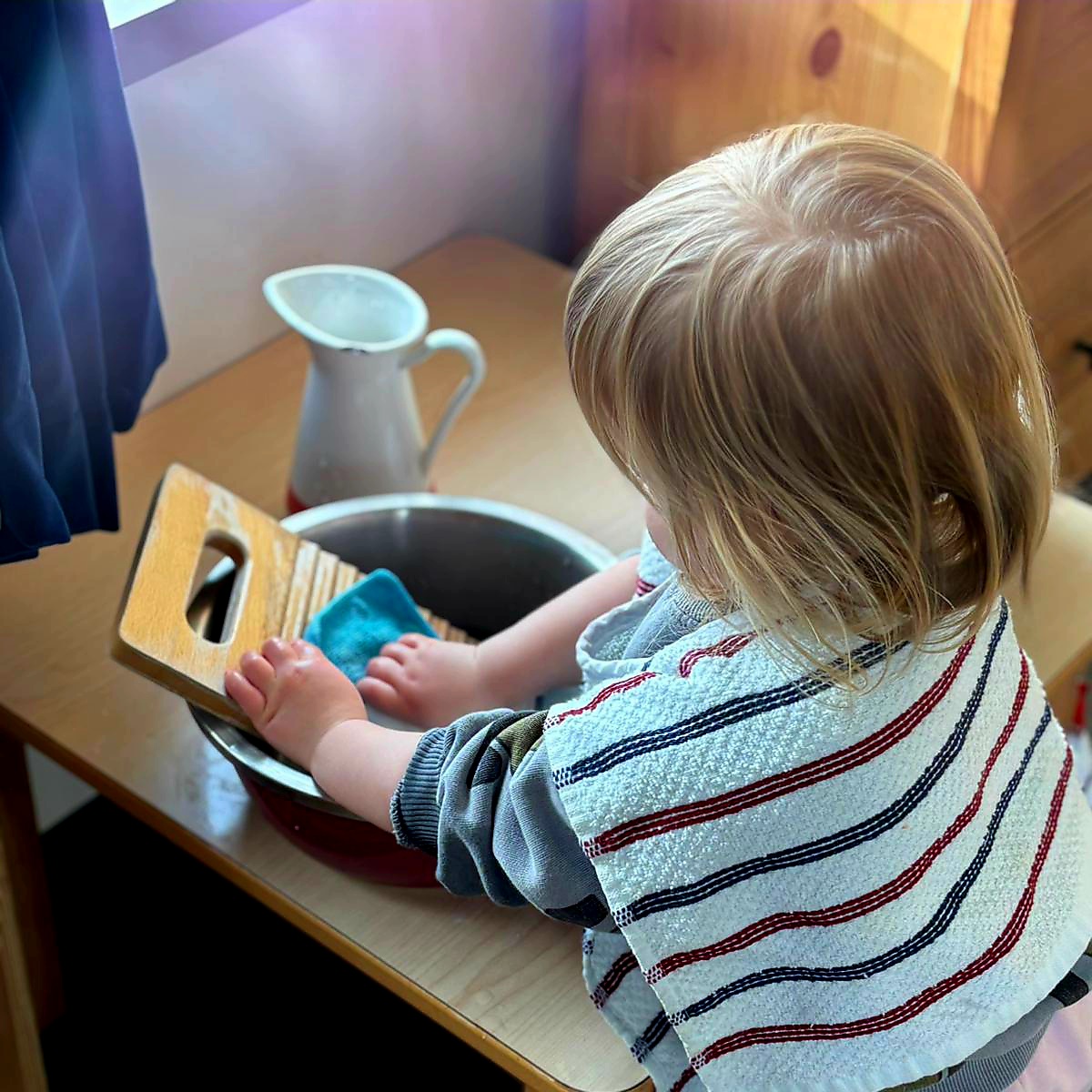
Practical Life
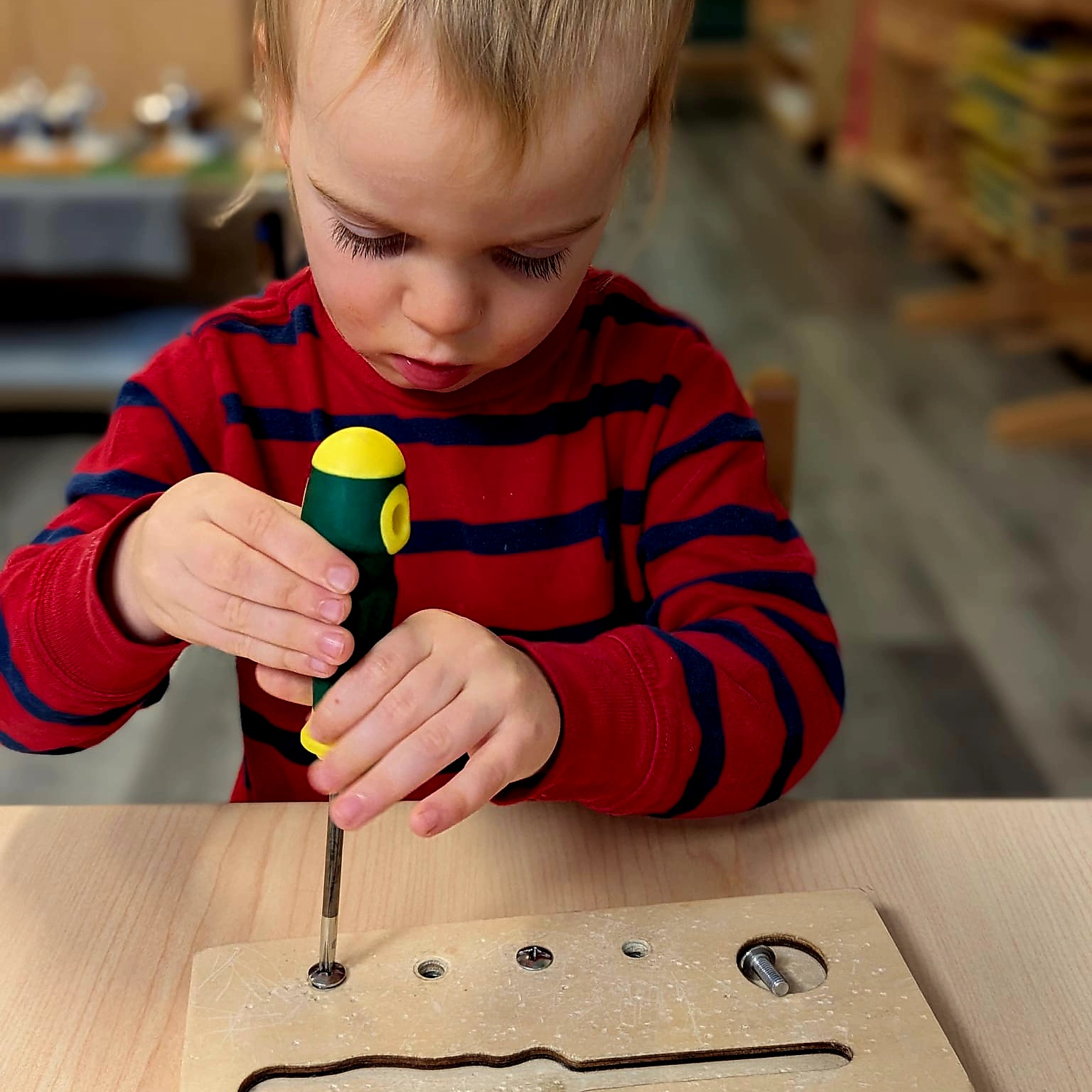
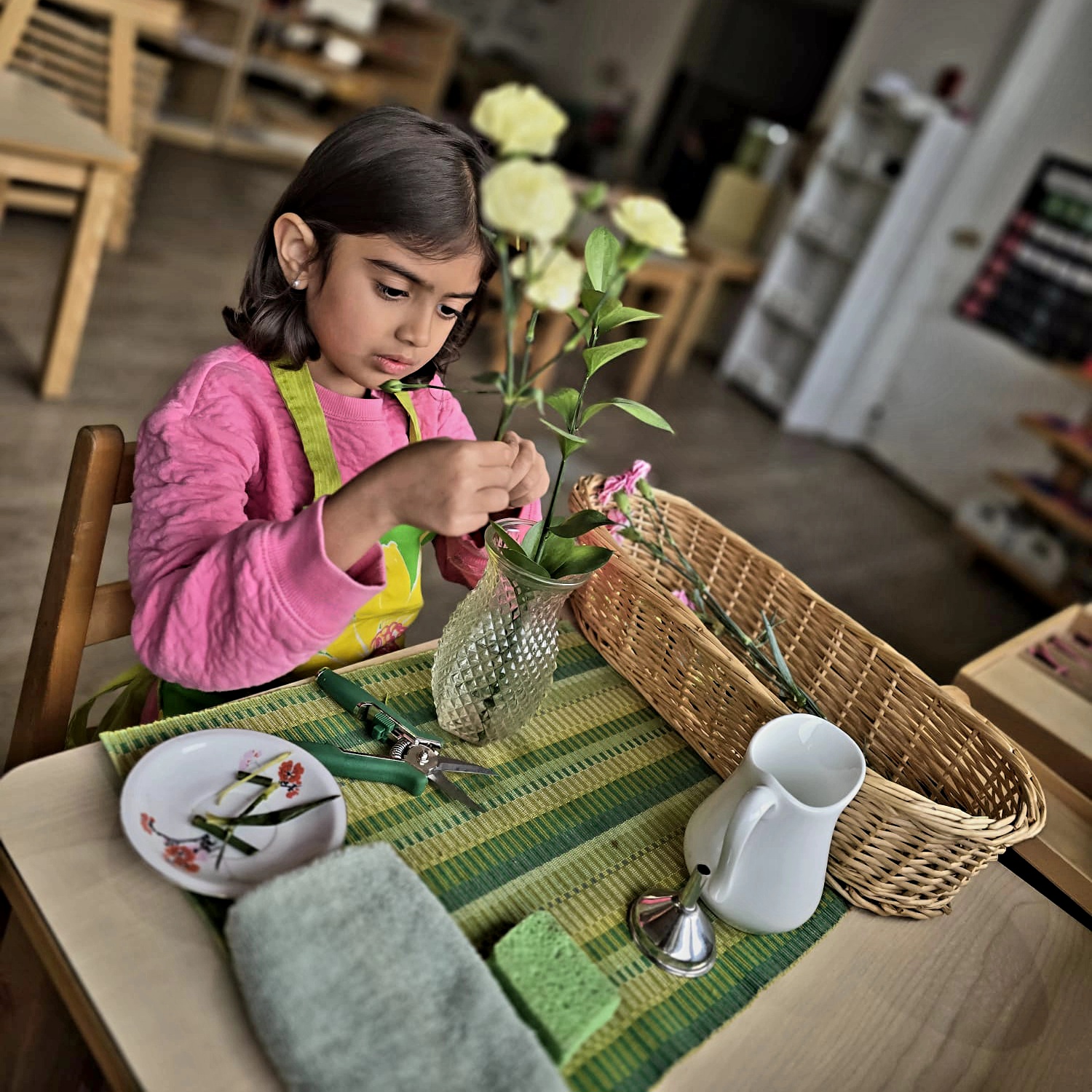
Practical life skills like buttoning, pouring, scrubbing a table, and polishing serve as a helpful bridge between the child’s home and school environments.
Sensory Development
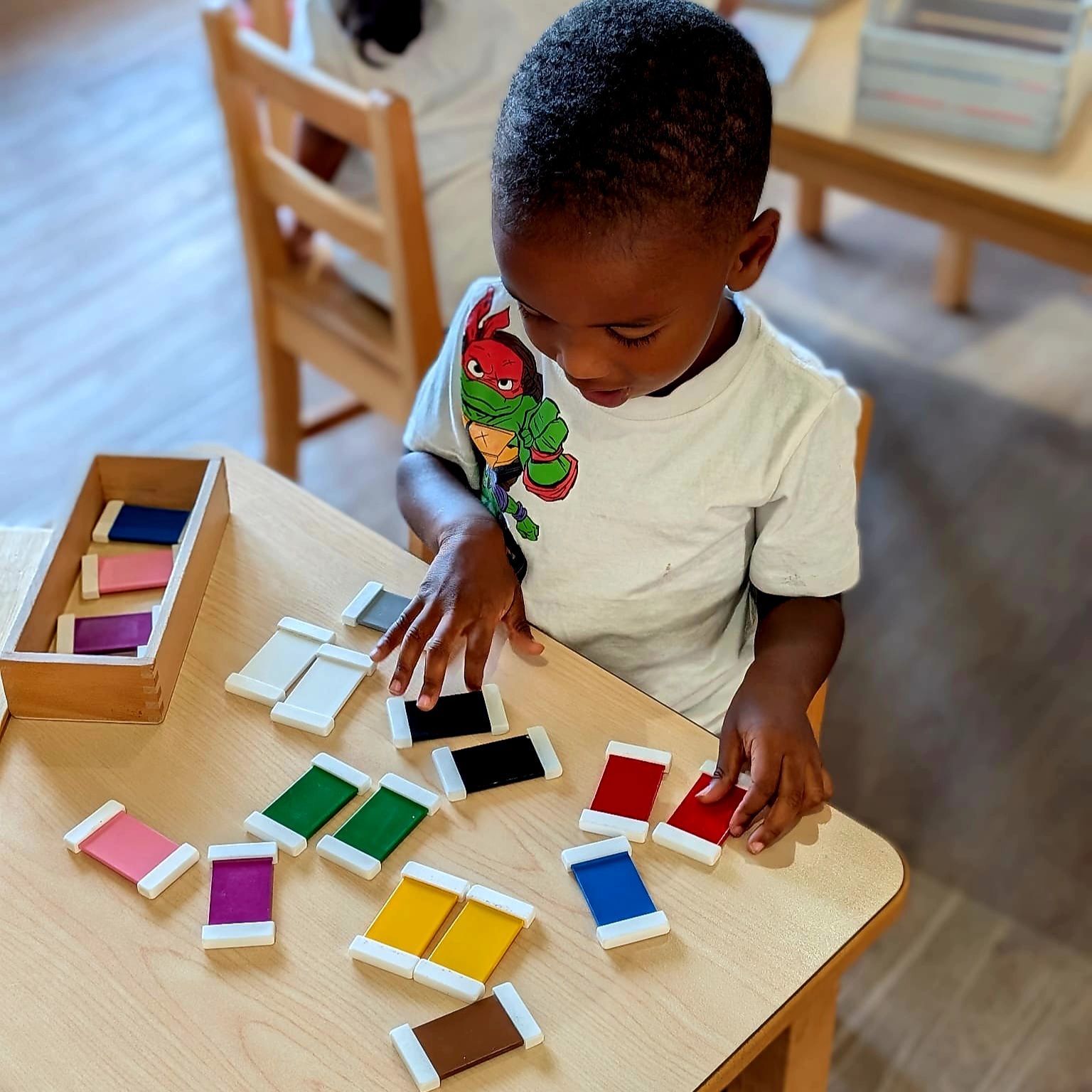
Because the preschool child’s primary mode of learning is through touch, we provide rich, engaging sensorial materials as key educational instruments.
CuRRICULUM
Our Montessori French & Sports Curriculum
Our Montessori-First French Curriculum
At Fairport Montessori Academy, French is not an immersion track layered onto a Montessori program. It is a thoughtfully prepared linguistic environment that unfolds naturally within the AMI Montessori continuum. Language acquisition, like all learning in Montessori, follows the child’s developmental stage.
Ages 0–6: The Absorbent Mind
In the early years, French is introduced gently and organically — through song, rhythm, storytelling, vocabulary-rich conversation, and carefully prepared materials. Children absorb language naturally during this stage, building familiarity, comfort, and joyful association without pressure or performance expectations.
Our goal is confidence and comfort — not memorization.
Ages 0–6: The Absorbent Mind
In the early years, French is introduced gently and organically — through song, rhythm, storytelling, vocabulary-rich conversation, and carefully prepared materials. Children absorb language naturally during this stage, building familiarity, comfort, and joyful association without pressure or performance expectations.
Our goal is confidence and comfort — not memorization.
Ages 6–12: The Reasoning Mind
In Elementary, French deepens into a structured study that integrates reading, writing, conversation, culture, and real-world application. Students explore language in small groups, engage in purposeful writing, and connect French to broader cultural studies within the Montessori Elementary curriculum.
Language becomes a tool for expression, exploration, and intellectual growth.
Our goal is confidence and comfort — not memorization.
Ages 13–14: The Humanistic Mind
In adolescence, language becomes deeply connected to identity, expression, and social belonging.
French at this stage is no longer simply acquired or studied — it is lived and applied. Students engage in meaningful communication through discussion, writing, debate, and real-world interaction. Language becomes a vehicle for exploring culture, perspective, and human connection.
Opportunities may include:
- Seminar-style discussions and collaborative dialogue
- Written expression across disciplines
- Cultural exploration and comparative studies
- Real-world application through community interaction
At this stage, students are not just learning a language — they are learning how to use language to understand themselves and their place in the world.
Our goal is expression, confidence, and authentic communication.
Leadership & Alignment
Our French Curriculum is led by Madame Constance Abramovicz, AMI-trained Montessori educator and French Curriculum Lead. Under her guidance, our bilingual program spans all age groups and is delivered by a team of 11 French-speaking educators.
Every aspect of our French program remains aligned with AMI Montessori principles. It is vertically integrated, developmentally responsive, and designed to foster confidence, fluency, and intellectual depth — all within a Montessori-first framework.
At Fairport, French is not a marketing feature. It is a carefully prepared extension of authentic Montessori education.

Our AMI Montessori Sports program
At Fairport Montessori Academy, sports and movement are not extracurricular add-ons — they are essential components of the child’s developmental journey. Grounded in Montessori principles, our sports curriculum supports physical intelligence, emotional resilience, social collaboration and character growth at every stage of development.
Movement is learning.
Confidence is cultivated through skill.
Teamwork grows from mindful engagement.
Ages 0–6: The Absorbent Mind
In the early years, French is introduced gently and organically — through song, rhythm, storytelling, vocabulary-rich conversation, and carefully prepared materials. Children absorb language naturally during this stage, building familiarity, comfort, and joyful association without pressure or performance expectations.
Our goal is confidence and comfort — not memorization.
Ages 0–6 — Building Foundations of Movement
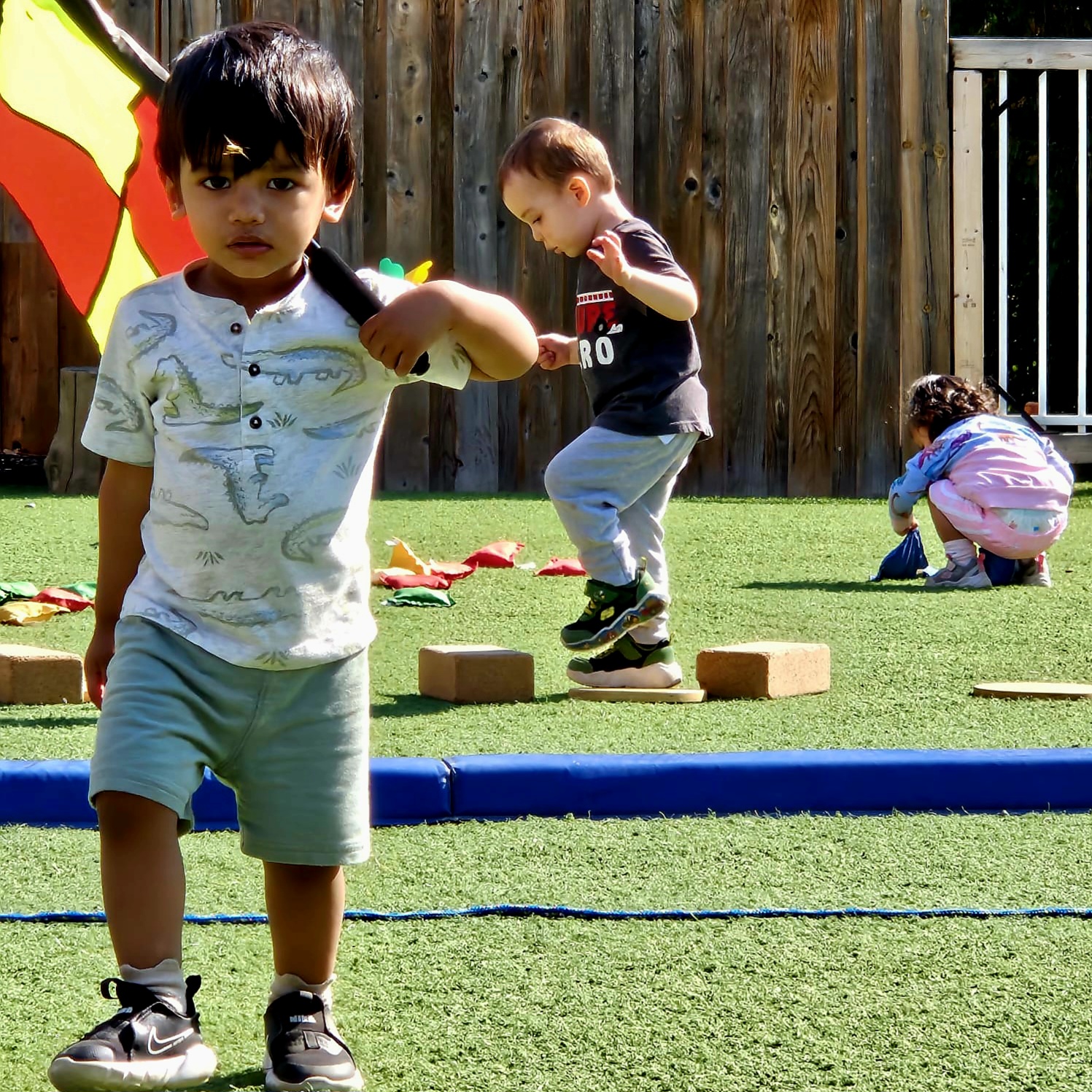
In the early years, movement is a primary expression of learning. Our youngest learners explore:
- Balance, strength and coordination
- Spatial awareness and gross motor sequencing
- Rhythm, grace and intentional movement patterns
- Confidence through guided play and physical exploration
Led by experienced Montessori educators trained in purposeful movement, this foundational work supports cognitive, emotional and physical development in harmony with the whole child.
Ages 6–12 — Purposeful Skill Development + Community Collaboration
In Elementary, our sports program becomes more structured while remaining grounded in Montessori values:
- Skill Development: Students build athletic competence through progressive instruction in basketball, volleyball, track & field, cross-country and more.
- Character & Leadership: Sport becomes a context for resilience, teamwork, fair play, strategic thinking and self-reflection.
- Integrated Learning: Movement connects to Going Outs, community partnerships, and curriculum themes that enrich intellectual and social development.
- External Partnerships: Through our collaboration with Planet Athlete, students access professional facilities and mentorship, enhancing both sport skill and holistic confidence.
Rather than focusing solely on competition, our program is designed to build lifelong physical confidence — where every child can succeed and grow at their pace.
Ages 13–14 — Contribution, Identity & Purposeful Performance
In adolescence, movement takes on a new meaning. It becomes connected to identity, contribution, and social belonging.
Our sports program evolves to reflect this shift:
- Personal Responsibility: Students take ownership of their training, preparation, and growth
- Team Contribution: Athletics become a space to contribute meaningfully to a group, not just participate
- Leadership & Mentorship: Older students model, guide, and support younger peers
- Performance with Purpose: Skill development is paired with reflection, discipline, and self-awareness
Experiences may include:
- Inter-school competition through ISAA partnerships
- Structured training and self-directed improvement
- Leadership roles within team environments
- Reflection on performance, teamwork, and growth
At this stage, sport is no longer just about movement — it becomes a means of understanding oneself in relation to others.
Montessori Integrity at the Core
Our AMI-aligned sports philosophy emphasizes:
- Movement as cognitive and emotional architecture
- Self-discipline over scoreboard outcomes
- Collaboration over competition
- Personal progress over comparison
At Fairport, sports participation nurtures the whole child:
the mover, the thinker, the collaborator, the leader.